
Expert Insights: Improving Clinical Skills in San Antonio's Medical Community


Enhancing Clinical Skills in San Antonio
The medical community in San Antonio is constantly evolving, with healthcare professionals striving to improve their clinical skills. This dedication ensures high-quality patient care and keeps the community at the forefront of medical advancements. By adopting innovative practices and engaging in continuous education, clinicians can significantly enhance their expertise.

Continuous Education and Training
One of the key strategies for improving clinical skills is through continuous education and training. Medical professionals in San Antonio have access to a variety of workshops, seminars, and online courses designed to update their knowledge and skills. These opportunities not only provide new insights but also allow practitioners to stay current with the latest medical technologies and methodologies.
Healthcare organizations often collaborate with local universities and medical schools to offer specialized training sessions. This partnership helps bridge the gap between academic knowledge and practical application, ensuring that clinicians are well-prepared to tackle real-world challenges.
Embracing Technology
Advancements in technology have revolutionized the way medical professionals approach patient care. In San Antonio, many healthcare facilities are integrating cutting-edge technologies such as telemedicine, electronic health records, and AI-driven diagnostic tools. These technologies streamline processes and enhance the accuracy of diagnoses, ultimately leading to better patient outcomes.
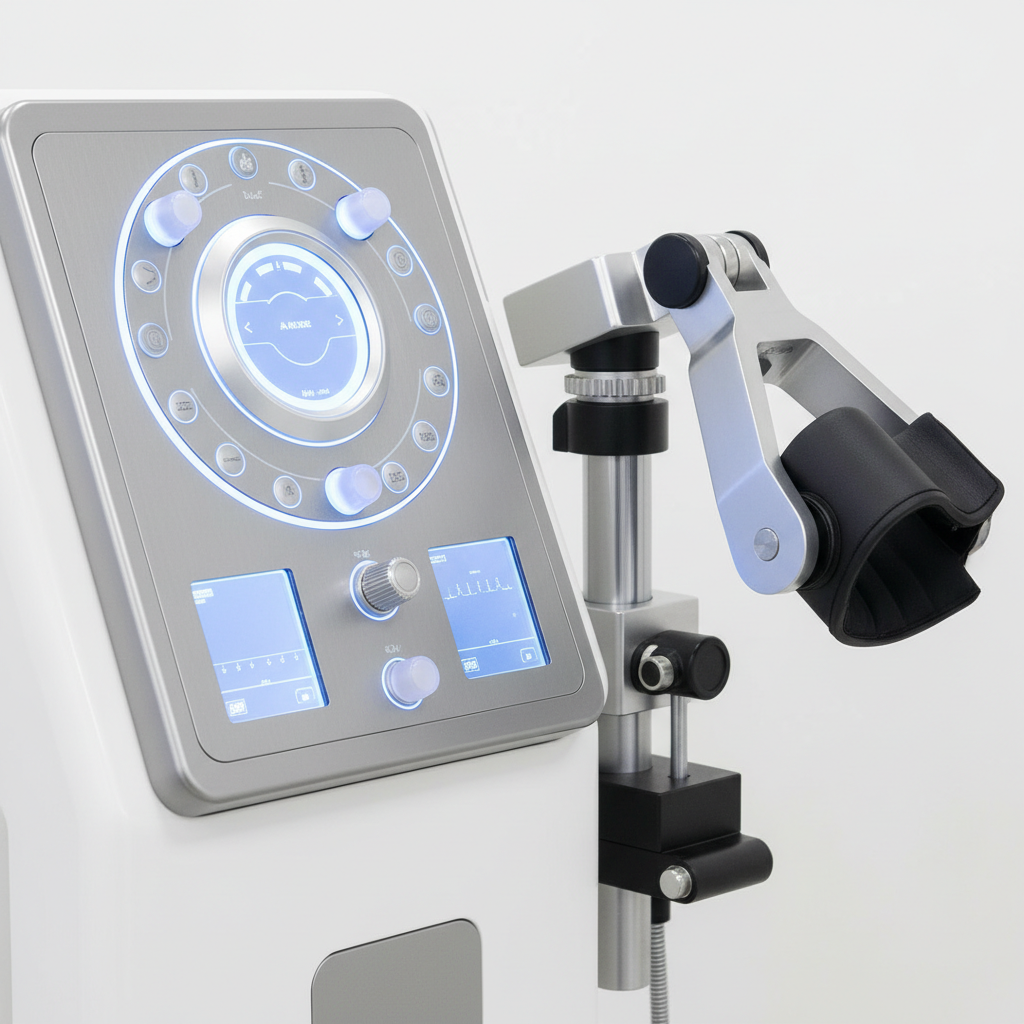
By embracing these innovations, clinicians can focus more on patient interaction and less on administrative tasks. This shift not only improves efficiency but also enhances the overall patient experience.
Interdisciplinary Collaboration
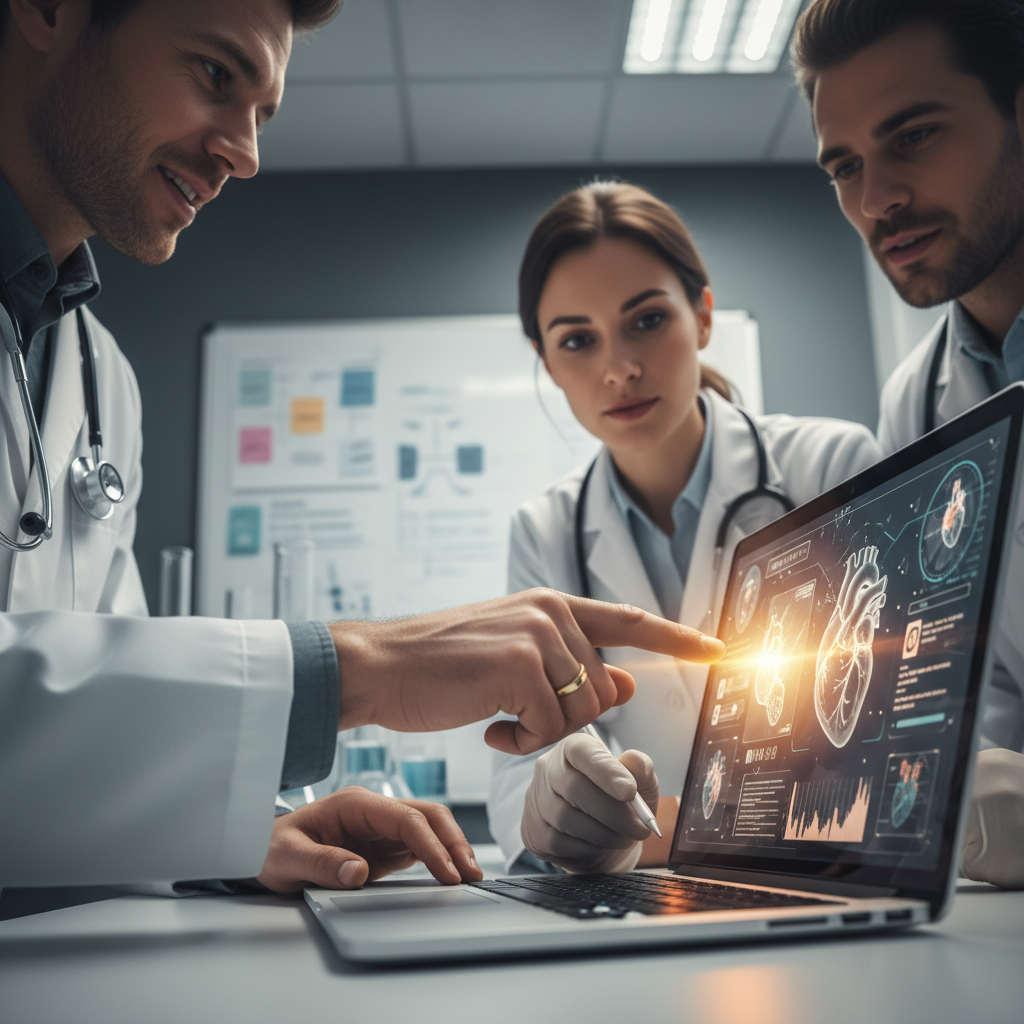
Interdisciplinary collaboration is another crucial aspect of improving clinical skills. In a city like San Antonio, where diverse medical specialties coexist, fostering collaboration between different healthcare providers can lead to comprehensive care solutions. Regular interdisciplinary meetings and case discussions allow professionals to share insights and learn from each other's expertise.
Such collaboration not only enhances the skill set of individual practitioners but also strengthens the entire medical community, leading to more effective treatment plans and improved patient care.
Patient-Centered Approach
Adopting a patient-centered approach is essential for enhancing clinical skills. This involves actively listening to patients, understanding their needs, and involving them in decision-making processes. By prioritizing the patient’s perspective, healthcare providers can tailor their care strategies to better meet individual needs, thereby improving satisfaction and outcomes.
Training programs that emphasize communication skills and empathy are invaluable. These programs help clinicians develop stronger relationships with their patients, fostering trust and encouraging adherence to treatment plans.
Feedback and Reflection
Finally, fostering a culture of feedback and reflection is vital. By encouraging clinicians to seek feedback from peers and patients, the medical community in San Antonio can identify areas for improvement and celebrate successes. Reflection on daily practices allows healthcare professionals to learn from their experiences and continuously enhance their skills.
Instituting regular performance reviews and self-assessment tools can support this culture, providing valuable insights into personal and professional growth.

In conclusion, improving clinical skills within San Antonio's medical community involves a multifaceted approach. By focusing on continuous education, embracing technology, fostering collaboration, prioritizing patient-centered care, and encouraging feedback, healthcare professionals can ensure they provide the highest level of care. These efforts not only benefit individual practitioners but also contribute to a healthier community overall.